
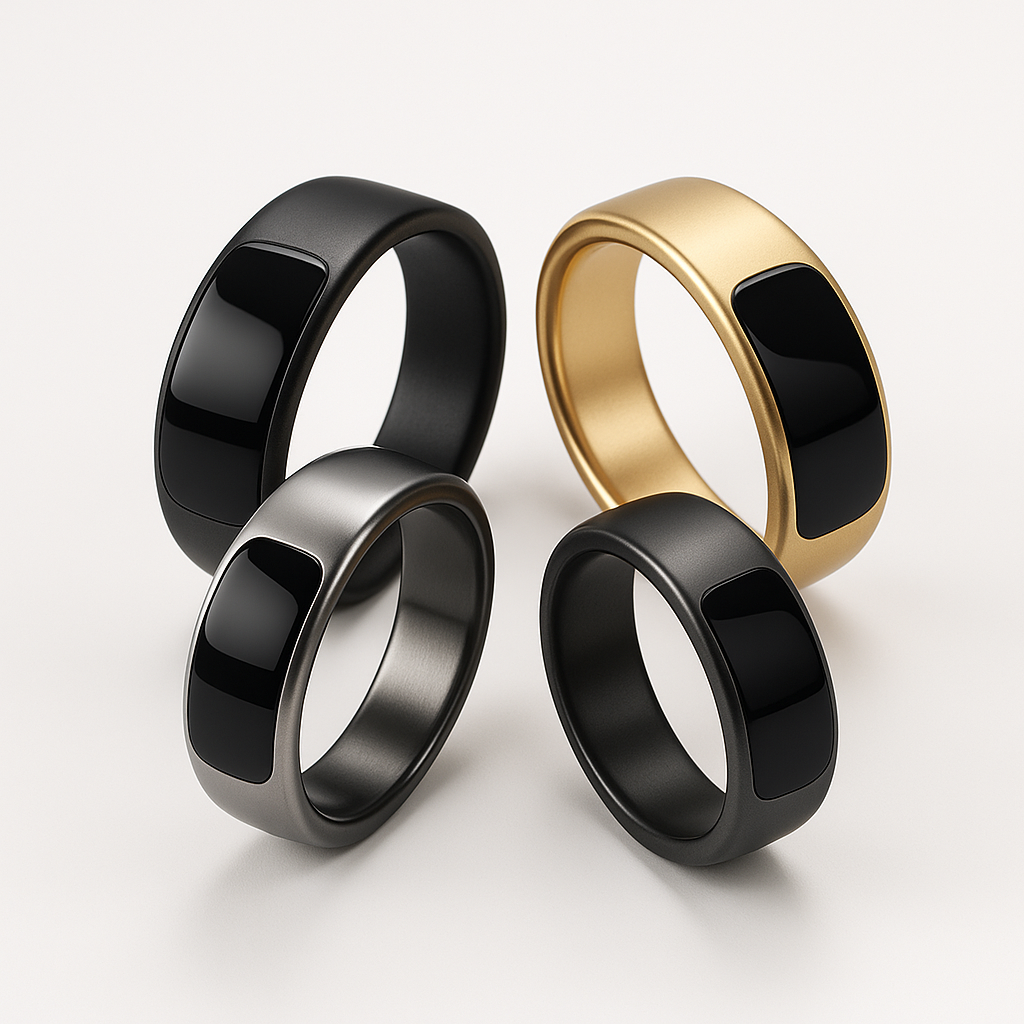
Janitri Momi vs Oura Ring 4 is a choice between an app designed around pregnancy and postpartum routines and a broader sleep, activity and readiness tracker that also offers pregnancy insights. The better fit depends on which information you want in your daily app.
As an Amazon Associate, we earn from qualifying purchases.
Janitri Momi vs Oura Ring 4: side-by-side comparison
| Buying check | Janitri Momi | Oura Ring 4 |
|---|---|---|
| App emphasis | Pregnancy, postpartum and everyday modes | Sleep, readiness and activity; optional Pregnancy Insights |
| Advertised ring runtime | Up to 8 days | 5–8 days |
| App access | Core tracking free per Janitri; check advanced features | Detailed insights require membership |
| Charging | Charging case listed | Size-specific charger |
| Read the individual review | Read the full review | Read the full review |
| See the current offer | Check Price on Amazon | Check Price on Amazon |
1. Choose the app around your routine
Janitri organises Momi around pregnancy, postpartum and normal use. Oura presents broader sleep and activity trends, with Pregnancy Insights available in the app. If you want the whole experience organised around motherhood, start by exploring Momi. If pregnancy is one part of a longer-term sleep tracking plan, compare Oura’s everyday dashboard.
2. Know whose information the ring tracks
Both rings track signals from the person wearing them. Neither measures the baby’s heartbeat or replaces antenatal visits, blood-pressure checks or any monitoring your clinician recommends. If you need a device for a medical purpose, ask your care team what equipment they want you to use.
3. Compare sleep and movement views
Momi shows sleep duration, estimated stages and activity, while Oura combines sleep and movement with readiness insights. During a period of disrupted nights, consider whether you want a simple record of bedtime and wake time or a dashboard that puts those figures alongside other trends.
4. Confirm what you get with the app
Janitri’s FAQ says core tracking is free and some advanced insights may require a subscription. Oura’s detailed insights require membership. Look for the exact feature you want in each app and check access and renewal terms before ordering, even if the hardware listing highlights a trial.
5. Plan for changes in fit
Use the correct sizing kit and verify how exchanges work. Fit can change if fingers swell, so do not force a tight ring on or off. Review the brand’s wear guidance and consider how flexible the seller’s sizing process is if you are buying during pregnancy.
6. Check the charging routine
Momi lists up to eight days and includes a charging case according to Janitri. Oura lists five to eight days and uses a charger matched to ring size. Treat those figures as planning ranges and check the bundle for the exact charger and cable.
7. Decide whether a ring solves the problem
Choose Momi if a motherhood-focused app is the reason you want a ring. Choose Oura if you prefer a broader wellness dashboard and its membership makes sense. If you only need a simple log of sleep or activity, consider whether a phone log already covers that before buying new hardware.
Frequently asked questions
Can either ring track the baby’s heartbeat?
No. The rings collect wellness data from the wearer; follow your clinician’s guidance for fetal monitoring.
Is Janitri Momi completely subscription-free?
Janitri says its core tracking is free, but its FAQ allows for some advanced insights to require a subscription.
Source: Oura’s Pregnancy Insights guide.